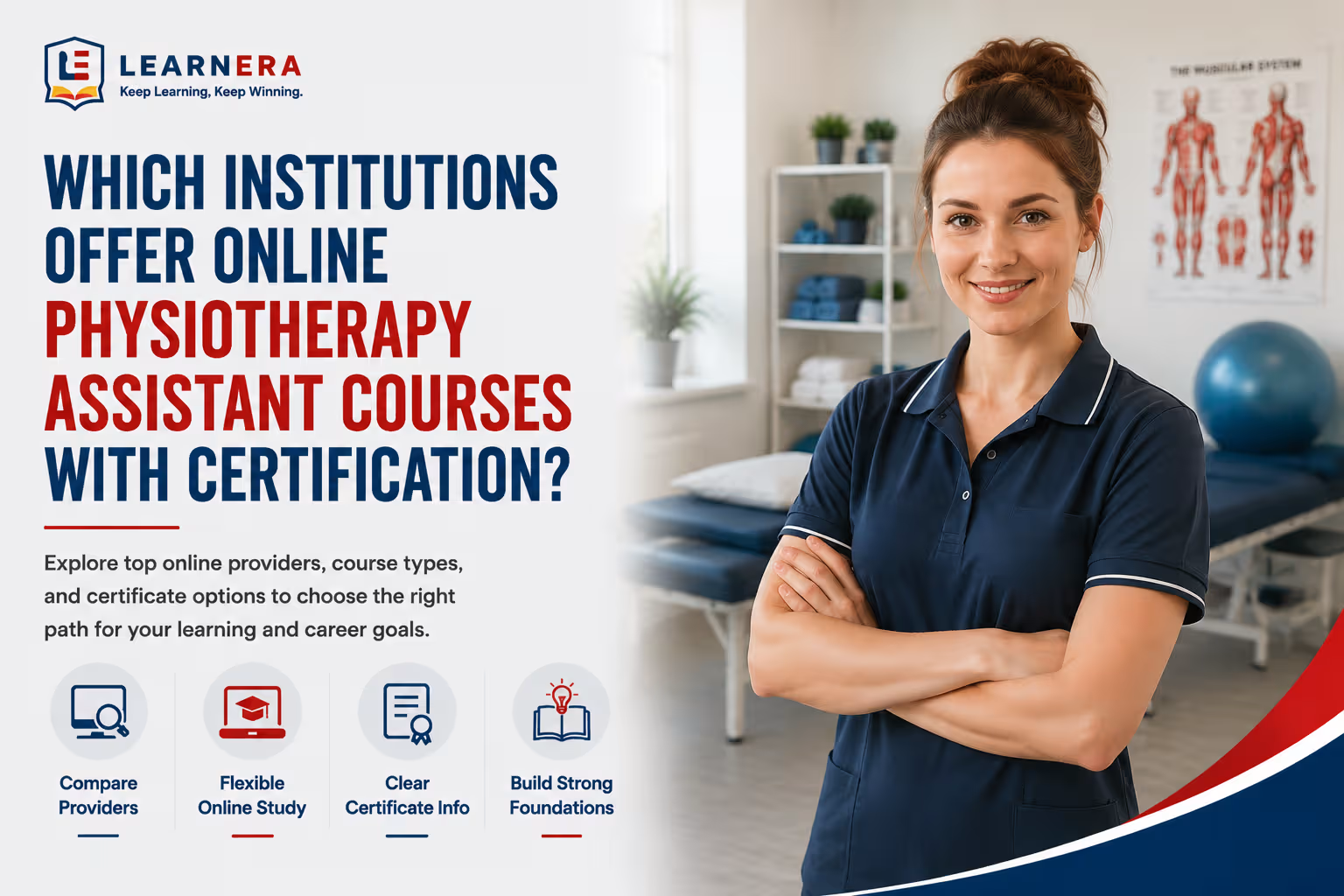

Online physiotherapy assistant courses with certification are offered by a mix of online CPD providers, private e-learning colleges, free learning platforms and Access to HE providers. The right choice depends on what you want from the course, a flexible certificate, basic career knowledge, CPD evidence, or a longer study route towards becoming a registered physiotherapist.
For learners who want a practical online starting point, Learnera’s Physiotherapy Assistant Level 3 Diploma can support CPD learning in anatomy, rehabilitation support, patient mobility and physiotherapy practice. It can help you build confidence, but it should not be treated as a regulated qualification, a guaranteed job route, or a replacement for employer training and supervised workplace practice.
Key points:
- Online CPD providers and e-learning colleges often offer physiotherapy assistant certificates.
- Access to HE and university routes are different from short online CPD courses.
- Employers decide what training, experience and checks are suitable for each role.
What types of institutions offer these courses?
There are a few main types.
First, there are online CPD course providers. These are popular with beginners, career changers and healthcare support workers who want flexible learning from home.
Second, there are private e-learning colleges. Some offer CPD certificates, QLS-endorsed certificates, or certificates of completion.
Third, there are free or low-cost platforms. These can be helpful if you simply want to explore physiotherapy support before choosing a fuller course.
Finally, there are Access to HE providers and universities. These are more suitable if your long-term aim is to train as a registered physiotherapist.
What do physiotherapy assistant courses usually cover?
Typical Learning Areas
Real-World Settings
Understanding what physiotherapy support looks like in practice and how assistants may contribute within supervised healthcare environments.
Are online certificates enough for NHS or private jobs?
An online certificate can help show interest and learning, but it is not always enough on its own. Employers may also look for care experience, communication skills, GCSEs, healthcare qualifications, volunteering, apprenticeships or workplace training.
The National Careers Service explains that physiotherapy assistant routes can include college courses, apprenticeships, direct applications and relevant work experience. The Chartered Society of Physiotherapy also says there is currently no nationally recognised entry qualification for physiotherapy support workers, although care experience or a healthcare-related qualification at Level 2 or 3 can be useful.
Can an online course make me a physiotherapist?
No, and this is where many learners get confused.
A physiotherapy assistant course can support your knowledge, but it does not make you a registered physiotherapist. In the UK, protected professional titles require registration with the correct regulator, and the HCPC confirms that designated titles are protected by law.
If your goal is to become a physiotherapist, you will usually need an approved degree, degree apprenticeship, postgraduate route, or a suitable access pathway before university.
How should you choose the right institution?
Start with your goal. If you want flexible learning and a certificate for CPD, an online CPD course may suit you. If you want a job in healthcare, check real job adverts and employer requirements. If you want to become a physiotherapist, look at regulated university routes.
Also check the course topics, assessment method, certificate type, learner support, access period and refund policy. A good provider should explain what the course can help with, without pretending it guarantees a job.
Common misunderstandings
CPD Certificate ≠ Regulated Qualification
A CPD certificate can demonstrate learning and professional interest, but it is not the same as an Ofqual-regulated qualification or formal vocational award.
Assistant ≠ Physiotherapist
A physiotherapy assistant or support worker role is different from becoming a registered physiotherapist, which requires approved professional training and registration.
Learning ≠ Clinical Experience
Online learning can build useful confidence and understanding, but patient-facing skills are usually developed through supervised practice, employer induction and workplace experience.
Online courses can support knowledge and confidence, while regulated qualifications, registration and practical experience are separate parts of a healthcare career pathway.