Level 3 DSL Training Prices UK Cost Comparison

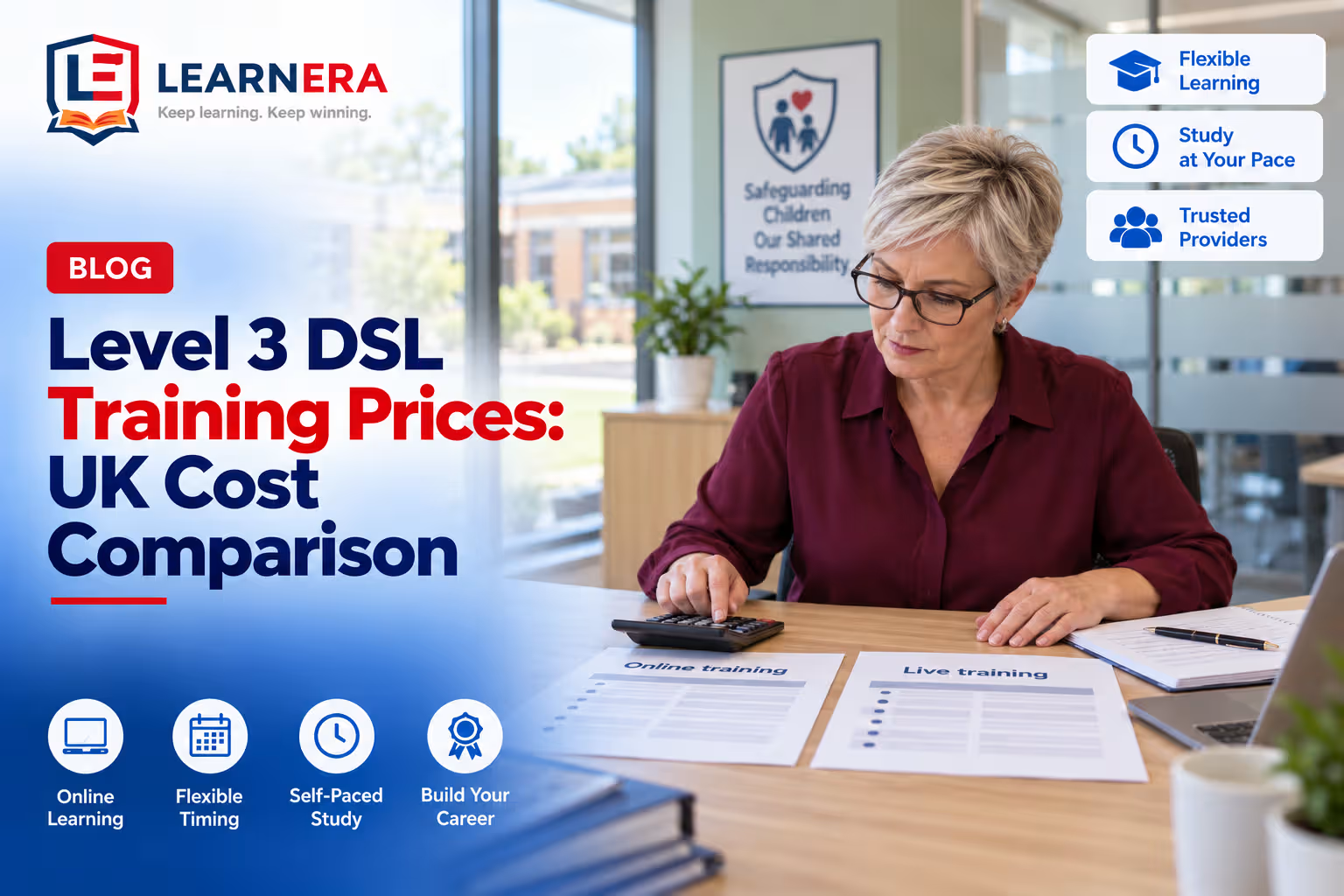
Level 3 DSL Training Prices: UK Cost Comparison

Comparing safeguarding lead training prices becomes easier when you understand what each fee covers. Similar course titles can hide differences in delivery, support and certificate charges. The cheapest option deserves the same careful checks as a higher-priced programme. Explore online and live training costs, understand CPD terminology and learn what to confirm before booking your place.

Level 3 Designated Safeguarding Lead training prices differ considerably between learning formats. UK providers advertise self-paced courses at £15–£65 plus VAT, while specialist live training starts from £225. These prices cover different learning experiences, so compare the intended audience and included services before deciding.

For flexible safeguarding study, Learnera’s Designated Safeguarding Lead (DSL) Level 3 offers self-paced online CPD learning. It covers recognising abuse, responding to concerns and managing referrals. This supports professional development while your employer’s role-specific training expectations guide your choice.

Key Points

  • Compare courses serving the same role and setting before judging their prices.
  • Check VAT and certificate charges to establish the full amount payable.
  • A “Level 3” title alone does not establish regulated qualification status or suitability for your responsibilities.

How Do Level 3 DSL Training Prices Compare?

Self-paced online DSL courses generally have lower advertised fees than specialist live training in the examples below. However, the price difference also reflects how you learn and who the training serves. Comparing those details helps you judge which option fits your needs.

Training Example

Format

Advertised Fee

Caredemy DSL Level 3
Format
Self-paced online
Advertised Fee
£15 plus VAT
High Speed Training DSL Level 3
Format
Self-paced online
Advertised Fee
£65 plus VAT
Essex Safeguarding Children Board designated person training
Format
Virtual or in person
Advertised Fee
£18–£130 depending on eligibility and format
NSPCC schools and colleges DSL training
Format
Live virtual or in person
Advertised Fee
From £225 per person

These advertised prices were checked in October 2026, so confirm the current fee before booking. Pay particular attention to eligibility. Essex’s programme excludes education and early years settings, which use a separate route. Its reduced rates depend on sector or membership. Where VAT is unclear, ask for the total payable.

Why Does Live DSL Training Cost More Than Self-Paced Study?

Live DSL training costs more because the fee covers a trainer’s time for teaching and discussion. These sessions let you ask questions and explore safeguarding decisions with guidance as you learn. Self-paced courses let you work through materials independently and fit your study around other commitments.

That difference matters when choosing how to learn. For example, a newly appointed lead might need help discussing complex referrals and escalation decisions. Someone reviewing familiar topics might prioritise independent access. Neither situation establishes suitability alone; the learning objectives still need to match the person’s responsibilities.

Compare the actual teaching arrangements before paying more for a particular format. Check session length and opportunities for feedback alongside the topics covered. Classroom attendance also involves travel and time away from work, which belong in your overall budget.

What Additional Costs Should You Check Before Booking?

Check certificate charges and VAT alongside any assessment, resit or access-extension fees before comparing final totals. An advertised course fee does not explain every purchase condition. Ask for a breakdown showing compulsory charges separately from optional extras.

Five Questions To Clarify Booking

For example, an optional printed certificate should remain separate from the essential cost of completing your learning. Compare the total for the certificate format you actually need. Keep the booking terms with your receipt so you can check what the provider agreed to supply.

Does A Higher Price Mean The Course Meets DSL Requirements?

A higher price alone does not establish whether training meets the requirements of your safeguarding role. Start with the responsibilities you need to carry out, then assess whether the course addresses them. A “Level 3” label does not describe one identical programme across every sector or UK nation.

For schools and colleges in England, Keeping Children Safe In Education sets expectations for DSL training. Leads and deputies should receive training that provides the knowledge and skills needed for their role. This training should be updated at least every two years, with knowledge refreshed at least annually.

Those expectations concern relevant preparation rather than a particular course price. Compare coverage of local referral procedures and information sharing alongside support for staff and safeguarding leadership. Ask your employer to review the learning objectives where suitability remains unclear. This helps prevent paying for training that leaves an important responsibility unexplored.

Can Group Bookings Reduce The Cost Of DSL Training?

Group bookings can reduce the price per learner when a provider offers discounts for multiple places. Some online providers publish licence-based discounts, while others quote for a dedicated live session. Compare both arrangements when several colleagues need training.

For a useful comparison, request quotes for the same number of learners and equivalent course content. Establish whether each person receives an individual assessment and certificate. For live sessions, ask whether the quoted fee covers the whole group or each delegate.

Check how long unused licences remain available and whether you can reassign them before learners begin. A larger discount offers little benefit when places expire unused. Also confirm that everyone needs the same training; different responsibilities can require different learning objectives.

Choose A Training Budget Around Your Learning Needs

Create a shortlist based on the safeguarding tasks you need to understand better. Then record each suitable option’s total cost and teaching arrangements beside those learning needs. This makes differences easier to assess without letting the headline discount lead your decision.

Before paying, resolve the most important unanswered question with the provider or your training manager. That might concern course content or the opportunity to discuss difficult situations. Choose once you can explain how the learning addresses your responsibilities.

Recent Blogs

Is The SMSTS Exam Open Book What You Can Use And When (UK)

Is The SMSTS Exam Open Book? What You Can Use And When (UK)

The words ‘open book’ can leave you wondering what to memorise for the SMSTS exam. You’ll work from memory for the first 20 minutes of the full CITB paper. That leaves 15 minutes to check details in two course books. Learn which books to have ready and how to practise using them against the clock.
Read More
SMSTS Certificate Expiry In The UK When And Why

SMSTS Certificate Expiry In The UK | When And Why

When a new project asks for your SMSTS certificate, check how much time you have left. The certificate lasts five years and the refresher covers current site safety guidance. Once the deadline passes, you’ll need the full course to regain certification. Learn how to verify your expiry date and work out which course you need.

Read More
SMSTS vs SSSTS Which Course Do You Need in the UK

SMSTS vs SSSTS: Which Course Do You Need in the UK?

If you’re stepping into a new site role, the right safety course depends on your responsibilities. SMSTS and SSSTS cover different duties, so your job title may only tell part of the story. Compare both courses and learn what to verify about delivery, certificates and employer requirements before booking.

Read More