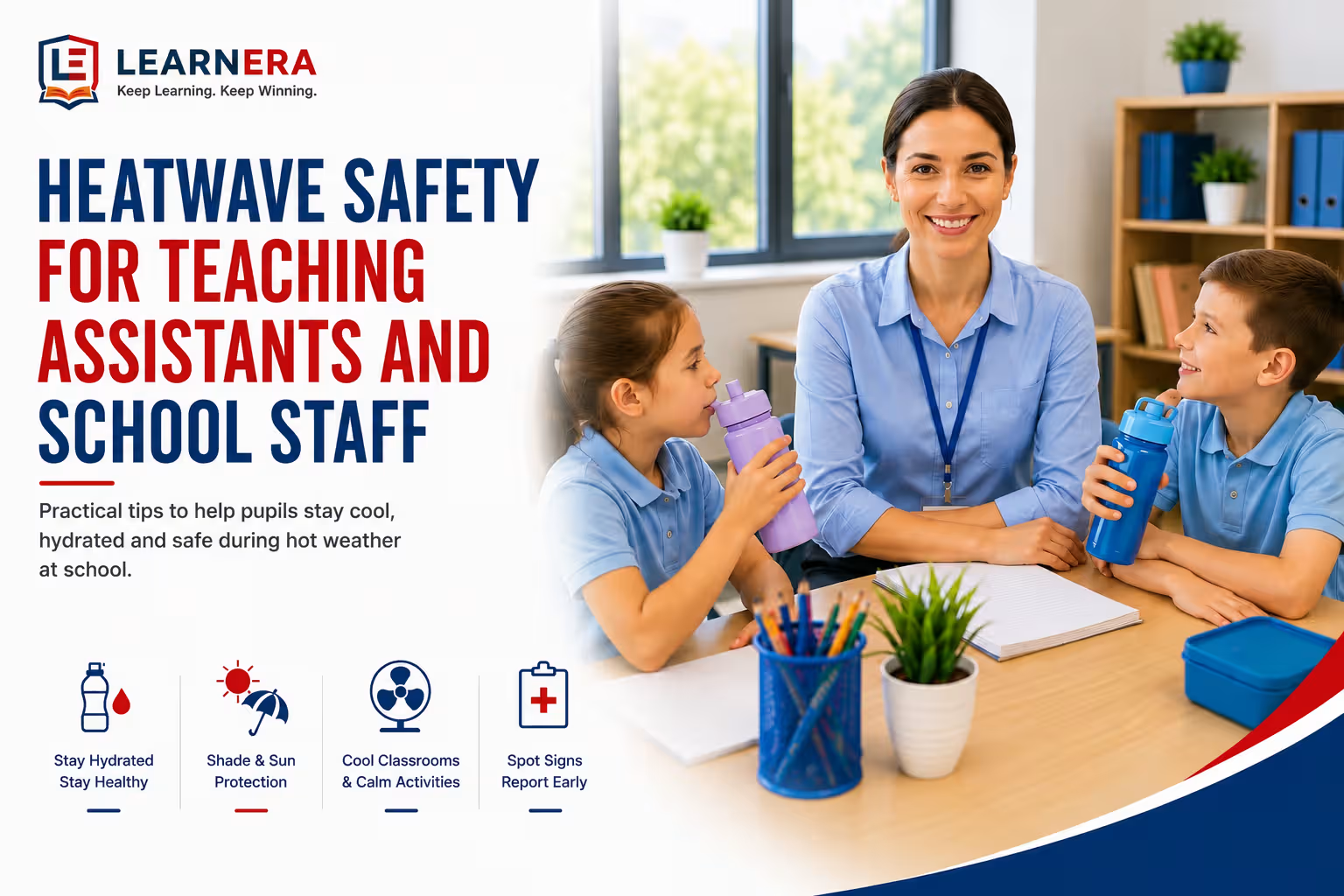
Heatwave Safety for Teaching Assistants and School Staff

Heatwave Safety for Teaching Assistants and School Staff

Teaching assistants and school staff can help pupils stay safe in hot weather by supporting water breaks, shade, cooler classrooms, calm activities and early reporting of heat illness signs.

Heatwave safety for teaching assistants and school staff means helping pupils stay cool, hydrated and safe when the school day becomes uncomfortably hot. In real classrooms, this is often about simple but important actions: reminding children to drink water, keeping them away from strong sun, supporting calmer activities and noticing early signs that a pupil may be struggling.

Learnera’s Heatwave Awareness can be a useful CPD starting point for anyone working in or around school settings, because it helps build understanding of heat risks, hydration, indoor cooling, outdoor safety and what to watch for during very hot weather. It supports awareness and confidence, but it should always sit alongside the school’s own heatwave plan, first aid procedures, risk assessments and senior staff guidance.

For teaching assistants, the topic is also linked to everyday pupil support. TAs often work closely with children who may not explain that they feel dizzy, tired, thirsty or overwhelmed, especially younger pupils or children with SEN. That is why wider classroom knowledge can also help, particularly through our Teaching Assistant Level 1, 2 & 3 + Early Years, SEN, Primary Teaching & Child Care.

Key points:

  • Help pupils drink water often and stay out of strong sun.
  • Support cooler classrooms, calmer lessons and shaded breaks.
  • Report signs of heat stress quickly and follow school policy.

What should teaching assistants do during a heatwave?

Teaching assistants are often the first to notice when a pupil is not coping well. You may see a child become quiet, tearful, dizzy, restless, tired or unusually irritable before anyone else does.

Your role is not to make senior safety decisions alone. Your role is to support the teacher, follow the school’s heatwave plan and speak up early. That might mean reminding pupils to drink, moving a group away from direct sunlight, encouraging slower activities or telling the class teacher when someone looks unwell.

How can school staff keep classrooms cooler?

🌡️ Hot Classroom Actions

How Can School Staff Keep Classrooms Cooler?

Small, well-timed changes can reduce stored heat, limit direct sunlight and make the learning environment more comfortable.

🌤️

Early Morning

Open windows early to help stored heat escape while the outdoor air is still cooler.

☀️

When Outside Gets Hotter

Close windows later if the outdoor air becomes hotter than the classroom, while keeping ventilation safe.

Tap an action to see how it helps

Practical classroom cooling

Use several small actions together

One measure may not be enough. Shade, ventilation, reduced equipment use and cooler rooms can work together.

Sun control

Use blinds or curtains

Blinds or curtains can reduce the amount of direct sunlight entering the classroom and adding more heat.

Remember: Do not block safe ventilation while reducing sunlight.
🌀
What about classroom fans?

Select the temperature range to see the guidance from this section.

Fans may help improve comfort below 35°C, alongside water, shade and ventilation.

Should PE, outdoor play and school trips change in hot weather?

Yes, they often should. Children should not do vigorous physical activity on very hot days. PE, sports days, outdoor lessons and playground games may need to be shortened, moved indoors, moved into deep shade or planned for a cooler part of the day.

Teaching assistants can help by guiding pupils to shaded spaces, slowing down running games, checking water bottles and supporting children who find sudden routine changes difficult. For trips, follow the visit risk assessment and keep an eye on pupils during travel, queues and walking.

Which pupils may need extra care?

Some children need closer support in hot weather. This may include younger pupils, children with medical conditions, pupils taking certain medicines, children with complex needs and some SEN pupils. They may not always say, “I feel too hot,” even when they are struggling.

Watch for changes in mood, movement, speech, skin colour, energy or behaviour. A child who suddenly stops joining in, refuses to walk, becomes upset or looks confused may need help quickly.

⚠️ Recognise the warning signs

What Are the Warning Signs of Heat Illness?

Heat illness can begin with subtle changes in comfort, mood or behaviour and may progress to symptoms that need urgent medical help.

😣
Early warning

Heat Stress

Heat stress may first appear as a change in how a child feels, reacts or behaves.

Signs to watch for

Discomfort
Irritability
Behaviour that feels out of character
999
Heatstroke is an emergency

Act immediately if heatstroke is suspected.

1 Call 999.
2 Cool the child while waiting for help.
👀
Notice changes, not only complaints

A child may not clearly say they feel unwell. Changes in behaviour, coordination, alertness or breathing can also be important warning signs.

Is there a legal maximum classroom temperature?

There is no fixed legal maximum workplace temperature in the UK. However, employers still need to assess heat risks and control them properly. Heat is treated as a workplace hazard when it could affect health and safety.

For teaching assistants, the safest step is to report concerns through the right channel. Speak to the teacher, SENCO, first aider, site team, line manager or senior leader, depending on the situation.

Common misunderstandings

A heatwave does not automatically mean school must close. Many schools stay open with changes to clothing, water, rooms, outdoor time and lesson plans.

A fan is not always enough. Water, shade, ventilation, cooler rooms and reduced activity matter too.

A CPD course can build confidence, but it is not a licence to practise or a replacement for school policy. Good heatwave safety comes from awareness, teamwork, quick reporting and clear local procedures.

Recent Blogs