

GET ANY COURSE FOR £10.99 ONLY !
BIG LEARNING. BIGGER SAVINGS.
Offer Ends In!
03Hours
57Minutes
59Seconds
Copy Your Coupon
How to Become a Physiotherapy Assistant in the UK Without Experience

How to Become a Physiotherapy Assistant in the UK Without Experience

Starting out as a physiotherapy assistant in the UK without prior experience is more achievable than most people expect. Employers value attitude, transferable skills, and a genuine interest in patient care alongside formal qualifications. This guide explains the realistic steps to getting started and building a career in this growing field.

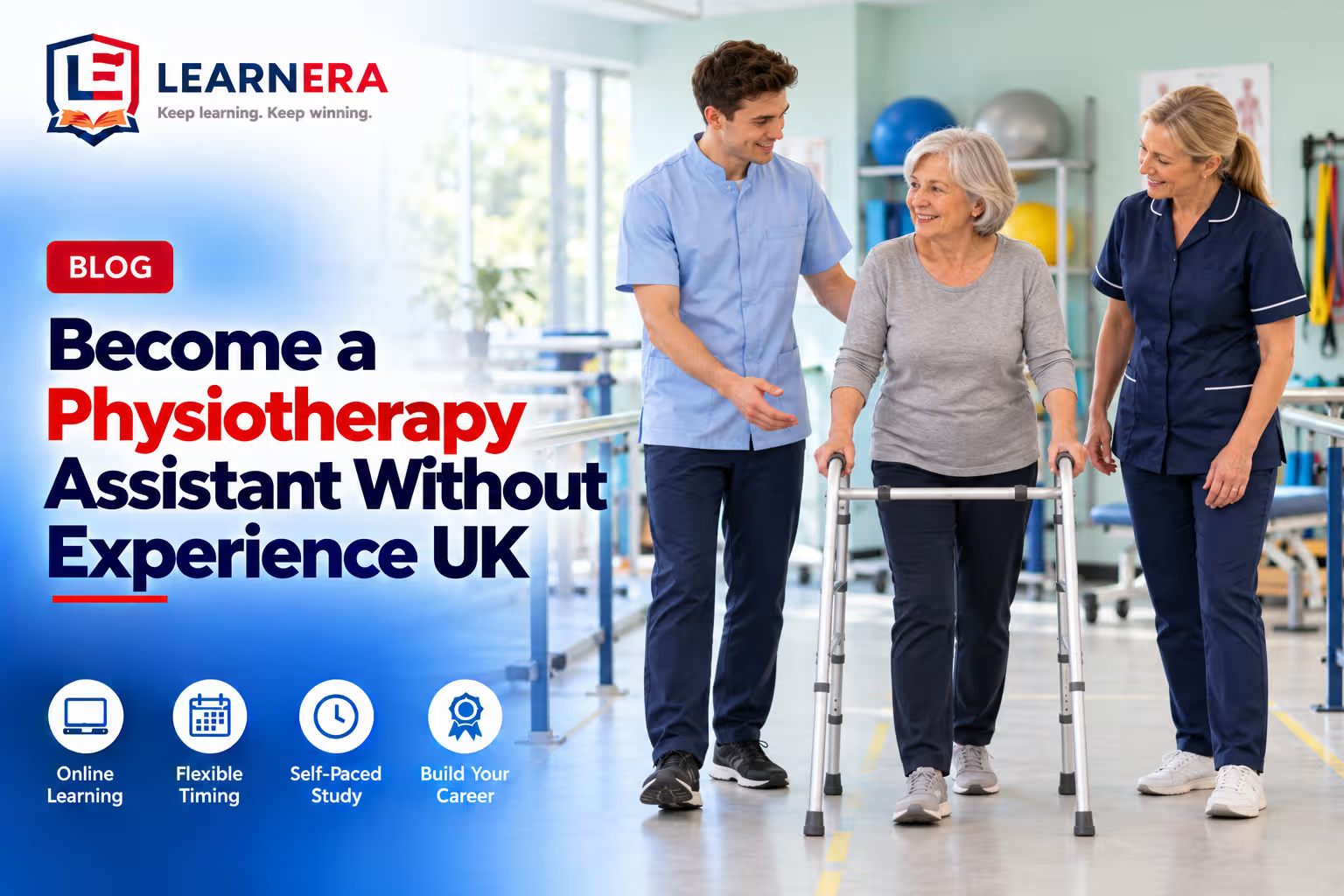
A new starter spends their first morning shadowing a qualified physiotherapist in an outpatients gym. They help set up equipment, observe a patient practising with a walking frame, and update a record after the session. By lunchtime, they are already contributing in small but meaningful ways. They had no prior healthcare experience when they applied.

Physiotherapy assistant roles are among the more accessible entry points into allied health in the UK. They require the right qualities and a willingness to learn rather than years of clinical background. This guide walks through the practical steps to getting started, what employers are genuinely looking for, and how to strengthen your application from the beginning.

For those looking to build relevant knowledge before applying, Learnera’s Physiotherapy Assistant Level 3 Diploma offers self-paced, CPD-accredited online study covering rehabilitation principles, patient care, and anatomy.

Key Points

  • No nationally required qualification exists for physiotherapy assistant roles in the UK; employer expectations vary
  • Employers commonly look for GCSEs in English and maths, relevant transferable skills, and evidence of genuine interest in patient care
  • Voluntary experience in a healthcare setting is one of the most effective steps before applying
  • Most employers provide structured on-the-job training once a worker is hired
  • Physiotherapy assistants are not required to register with the HCPC; that applies to qualified physiotherapists only

What Does a Physiotherapy Assistant Actually Do?

A physiotherapy assistant supports a qualified physiotherapist to deliver patient care and rehabilitation. Day-to-day work includes preparing equipment before sessions, guiding patients through prescribed exercises, helping with mobility aids, keeping treatment areas clean and organised, and updating patient records.

The role exists across NHS hospitals, private clinics, community rehabilitation teams, care homes, and sports settings. No two settings look exactly alike, which is part of what makes this work varied. The common thread across all of them is working under the supervision of a registered physiotherapist who holds clinical responsibility for the treatment plan.

Can You Become a Physiotherapy Assistant Without Experience?

Yes, many employers in the UK hire physiotherapy assistants without prior healthcare experience. What employers consistently describe as most important is the right attitude, a genuine interest in patient-facing work, and evidence of transferable skills.

That said, taking proactive steps before applying makes a real difference. A candidate who has volunteered in a care setting, completed a relevant course, or clearly articulated why they want to work in rehabilitation will stand out considerably from someone who has done none of those things. Experience is not required, but preparation is noticed.

What Basic Qualifications Do Employers Typically Expect?

Most employers ask for GCSEs in English and maths or an equivalent level of literacy and numeracy. Some NHS trusts and private providers may also welcome a relevant vocational qualification, though this varies considerably between employers and is not a legal requirement.

Basic health and safety awareness is valued in patient-facing settings, and a first aid certificate can strengthen an application. Neither is compulsory before applying. The honest position is that attitude and communication skills often carry more weight than certificates at this entry level, particularly for Band 2 NHS roles.

Employer entry expectations at a glance

What Transferable Skills Help When Applying Without Experience?

Several skills developed outside healthcare translate directly into physiotherapy assistant work. Clear communication matters because the role involves explaining exercises to patients, reporting observations to physiotherapists, and working alongside a wider healthcare team throughout the day.

Empathy and patience are equally practical. Working with people in pain or managing slow recovery requires the ability to stay calm, offer quiet encouragement, and adapt to how someone is feeling on a given day. Physical stamina also plays a part. Assisting with patient movement and demonstrating exercises involves being on your feet for much of the shift.

How Much Does Voluntary Experience Help?

Voluntary experience in a healthcare setting is one of the most effective things a candidate without paid experience can do before applying. Volunteering in a care home, hospital, hospice, or community rehabilitation centre gives you direct exposure to patient-facing work and something concrete to discuss at interview.

It also demonstrates to employers that you understand what working in a care environment involves before they invest in hiring you. Even a few weeks of regular volunteering shifts the weight of an application meaningfully. NHS trusts and private providers both notice it, and it is often the detail that moves an application from consideration to shortlist.

Should You Complete a Course Before Applying?

A relevant course is not required before applying, but it does demonstrate commitment and builds foundational knowledge that is genuinely useful when you start the role. Health and Social Care qualifications at Level 2 or Level 3 cover patient care principles, communication in healthcare settings, and basic anatomy, all of which are relevant to physiotherapy support work.

CPD-accredited online courses are a practical and affordable option for people preparing for a first application. They are honest preparation rather than a formal regulated credential. Learnera’s Physiotherapy Assistant Level 3 Diploma covers rehabilitation principles, mobility support, and patient care through flexible online study that works alongside other commitments.

Where Do You Find Physiotherapy Assistant Jobs in the UK?

NHS Jobs is the primary platform for NHS physiotherapy assistant vacancies across England. It is worth searching beyond “physiotherapy assistant” because employers also use titles such as rehabilitation assistant, therapy support worker, and physiotherapy support worker for very similar roles.

Private clinics, independent hospitals, and community healthcare providers advertise through mainstream job boards including Indeed and Reed. Healthcare recruitment agencies are another route, particularly for bank and agency work, which is a common and practical entry point for people building initial experience in the sector.

How Do You Prepare for a Physiotherapy Assistant Interview?

Employers at this level are looking for genuine interest in patient care, an understanding of what the role involves day to day, and evidence that you can work reliably within a supervised team. Preparation means being able to speak clearly about why you want to work in physiotherapy support and what relevant skills or experiences you can bring.

Discussing any volunteer work, care experience, or relevant course work shows that you have already taken practical steps rather than simply expressing enthusiasm. Employers also value candidates who understand that the role is supervised practice and that clinical decisions rest with the registered physiotherapist, not the assistant.

What Happens Once You Are Hired?

Most physiotherapy assistant roles are structured with on-the-job training built in. Once hired, you will be introduced to the department, its procedures, and the equipment used. Qualifications such as the NCFE CACHE Level 2 Certificate in Healthcare Support Services and the Level 3 Diploma in Healthcare Support are frequently offered by NHS employers after hiring rather than required before it.

Over time, experienced assistants progress from Band 2 toward Band 3 and Band 4 positions, with some organisations now developing Band 5 support worker roles for those with significant experience and leadership skills. The Chartered Society of Physiotherapy offers associate membership to physiotherapy support workers, providing access to professional development and networking opportunities.

Recent Blogs

Essential Skills Every Teaching Assistant Needs in UK Schools

Essential Skills Every Teaching Assistant Needs in UK Schools

Being a teaching assistant takes more than enthusiasm. Schools look for specific skills that allow TAs to support pupils effectively and work well alongside teachers and SEN specialists. This guide covers the core skills that matter most, why each one is valued in UK classrooms, and how to develop them with confidence.


Read More
Teaching Assistant Roles in the UK Classroom, SEN and Beyond

Teaching Assistant Roles in the UK: Classroom, SEN and Beyond

Teaching assistant roles in UK schools vary far more than most people expect. From supporting daily classroom learning to working one-to-one with pupils with special educational needs, each role carries different responsibilities and development opportunities. This guide explains the main role types, what each involves, and how to move forward.

Read More