
Entry Requirements for Health and Social Care Level 3 UK

Entry Requirements for Health and Social Care Level 3 UK

Health and Social Care Level 3 entry requirements vary by course type. Learn what qualifications, experience and skills you may need before starting.

If you are thinking about starting a career in care, you may be wondering: “Can I do a Health and Social Care Level 3 programme?” The answer depends on the type of course you choose. Some programmes ask for previous qualifications or workplace experience, while others are designed to help beginners build their knowledge and confidence.

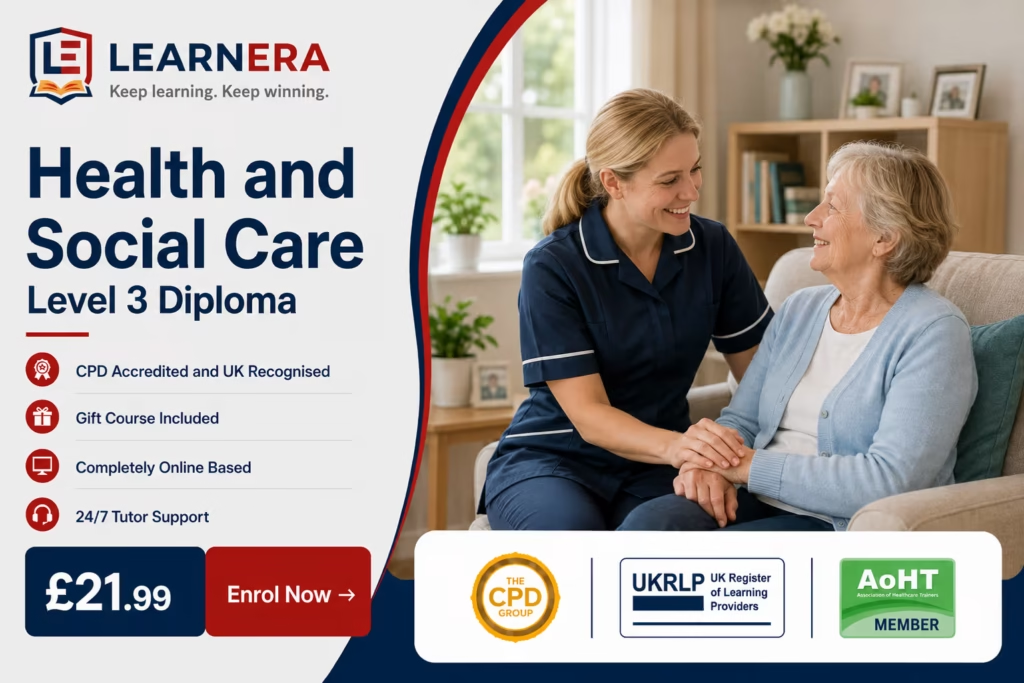
For learners looking for a flexible way to understand the sector, Learnera’s Health and Social Care Level 3 Diploma provides CPD-focused online learning covering areas such as safeguarding, communication, person-centred care and professional care practice. It is designed to support learning and development, but it does not replace regulated qualifications, employer training or workplace requirements where these apply.

Key Points

  • Entry requirements depend on the course provider, learning route and your career goals.
  • College and workplace programmes may ask for GCSEs, Level 2 qualifications or care experience.
  • Online CPD courses can offer a flexible starting point for developing health and social care knowledge.

What qualifications do you need for Health and Social Care Level 3?

There is no single entry requirement for every Health and Social Care Level 3 training programme. The requirements can change depending on whether you choose a college course, workplace qualification, apprenticeship or online CPD course.

For many college-based Level 3 programmes, learners may need GCSEs, including English and maths, or an equivalent qualification. Some courses may also include practical placements or additional checks depending on the provider and learning setting.

However, this does not mean everyone needs the same background before starting. Many learners enter health and social care from different stages of life, including school leavers, career changers and people already working in support roles.

Can you study Health and Social Care Level 3 without experience?

Yes, but it depends on the programme.

Some Level 3 routes are created for people already working in adult social care, such as care workers, healthcare assistants or support workers. These programmes often use workplace experience to help learners develop and demonstrate practical skills.

Other courses focus more on building understanding of the sector. These can be useful for people who are exploring care as a career and want to learn about topics such as safeguarding, communication, equality, confidentiality and person-centred support before moving forward.

The important thing is choosing a course that matches your current situation and future goals.

Experience and Level 3 study routes

Can You Study Health and Social Care Level 3 Without Experience?

Yes, but the right route depends on the programme, your current experience, and what you want to achieve next.

Previous care experience is not required for every course

Some programmes are designed for existing care workers, while others help beginners understand the sector before progressing towards further learning or employment.

🏥

For Existing Care Workers

Some Level 3 routes are built around practical workplace learning and may be more suitable for people already working in care.

  • Care workers
  • Healthcare assistants
  • Support workers
  • Learners using workplace experience
OR
📘

For Beginners

Knowledge-focused courses can help people explore health and social care before moving towards practical or role-specific training.

  • Safeguarding
  • Communication
  • Equality and confidentiality
  • Person-centred support

Which description matches you?

Possible starting point

A Knowledge-Focused Course May Suit You

Beginners can start by developing an understanding of important care principles before moving towards workplace-based learning.

Focus on: Safeguarding, communication, equality and person-centred support.
Useful for: Building confidence and understanding the sector.
Check before enrolling: Whether the course requires workplace experience or placement evidence.
💡
Choose the course that matches your situation

A beginner may need a knowledge-based starting point, while an experienced worker may need a programme that uses workplace evidence to develop and demonstrate practical skills.

Do you need GCSEs for a Level 3 Health and Social Care course?

Not always.

GCSE English and maths are commonly requested by some colleges and formal training routes because good communication and written skills are important in health and social care settings.

However, entry requirements vary between providers. Some learners may be accepted through alternative routes, such as equivalent qualifications, relevant experience or previous learning.

If you are unsure whether you meet the requirements, checking directly with the course provider is always the best step.

Are online Level 3 Health and Social Care courses different?

Yes. Online courses often provide a more flexible learning option compared with classroom-based programmes.

Many online learners choose this route because they want to study around work, family responsibilities or other commitments. These courses can help develop knowledge and confidence in important areas of care, but they may not include the same workplace placement or assessment structure as regulated vocational programmes.

Before enrolling, consider what you need from the course. Are you looking to build your understanding, improve your professional knowledge, or complete a qualification required for a specific role?

Flexible learning route

Are Online Level 3 Health and Social Care Courses Different?

Yes. Online courses often offer greater flexibility, but they may differ from regulated vocational programmes in placement and assessment structure.

Online learning can be more flexible

It may suit learners who need to study around work, family responsibilities, caring duties, or other regular commitments.

💼

Study Around Work

Fit learning around shifts, full-time employment, or changing work schedules.

🏠

Balance Family Life

Learn from home while managing family, caring, or household responsibilities.

Learn More Flexibly

Work through course content at times that better suit your personal routine.

💻

Online Knowledge-Based Course

Often designed to help learners build understanding and confidence in important care topics.

  • Flexible home study
  • Develop care-related knowledge
  • Support professional development
  • May not include a workplace placement
VS
🏥

Vocational Programme

May include a more formal structure for practical learning, workplace evidence, or assessed care experience.

  • Workplace or placement elements
  • Practical skill assessment
  • Role-specific evidence
  • Provider entry requirements may apply

What do you need from the course?

Possible learning match

An Online Course May Be a Suitable Starting Point

A knowledge-focused online course can help you understand key care principles and become more confident with the language and responsibilities of the sector.

Useful for: Exploring health and social care before deciding on your next step.
Possible topics: Safeguarding, communication, confidentiality and person-centred care.
Check: Whether the course is knowledge-based or includes practical assessment.
💡
Check your goal before enrolling

Choose an online course for flexible knowledge development, but check the exact programme requirements if you need a regulated qualification, workplace placement, or practical assessment for a particular role.

What skills help you succeed in health and social care?

Although entry requirements are important, personal qualities also play a big role in care work.

Successful learners often have:

  • Good communication skills
  • Patience and empathy
  • A willingness to support others
  • Respect for people’s choices and dignity
  • An interest in improving their knowledge

Health and social care is built around supporting people with different needs. A caring attitude combined with the right training can help you develop confidence for future opportunities.

Is Level 3 Health and Social Care suitable for career progression?

A Level 3 Health and Social Care programme can be a valuable step for people who want to develop within the care sector.

Depending on your chosen route, experience and employer expectations, it may support progression towards roles such as care worker, healthcare assistant, support worker or further learning opportunities.

The best starting point depends on where you are now. Whether you are beginning your journey, changing careers or already working in care, understanding the entry requirements can help you choose the right path with confidence.

Recent Blogs

Compare Prices of Teaching Assistant Courses in the UK

Compare Prices of Teaching Assistant Courses in the UK

Teaching assistant course prices in the UK vary from low-cost online CPD courses to regulated qualifications costing several hundred pounds. Compare the course type, total fees, assessment costs, placement requirements and funding options before choosing the right route.

Read More
How to Enrol in a Teaching Assistant Course Near Me

How to Enrol in a Teaching Assistant Course Near Me?

To enrol in a teaching assistant course near you, compare local colleges, adult learning providers and online options. Check the course level, entry requirements, placement needs, fees and assessment method before applying. Apprenticeships combine paid work with training, while CPD courses focus on flexible knowledge development.

Read More