Teaching is one of those things many people do without realising it. The colleague who always explains things clearly. The professional who has answered the same question a hundred times and never minds asking it again. That ability to share knowledge simply and patiently is exactly what online tutoring is built on.
The good news is that becoming an online tutor in the UK is far more straightforward than most people assume. You don’t need a teaching degree, a classroom, or years of formal experience. What you do need is solid subject knowledge, a reliable internet connection, and a clear sense of how to get started.
This guide walks you through everything practically from qualifications and DBS checks to setting your rates and finding your first students.
TL;DR / Key Takeaways
- No teaching qualification is legally required to tutor privately in the UK
- A DBS check is not mandatory for all tutors but is expected when working with under-18s
- All tutoring income must be declared to HMRC from your very first session
- Tutoring platforms are a good starting point but not the only route
- Building a steady client base typically takes three to six months
What Is Online Tutoring?
Online tutoring means teaching a subject to one person or a small group live, over the internet, usually through a video call. Sessions are typically one hour long, planned around the student’s needs, and paid for directly by the student or their family.
It is different from being a schoolteacher. There is no curriculum to follow, no classroom to manage, and no formal employer. You set your own hours, choose your own students, and work at your own pace.
It is also different from creating an online course. Tutoring is live, personal, and interactive. That distinction matters, especially for anyone thinking about both options.
Do You Need Qualifications to Become an Online Tutor?
No. There is no legal requirement to hold a teaching qualification to tutor privately in the UK. You do not need a PGCE, a degree, or Qualified Teacher Status (QTS). Those are requirements for teaching in maintained schools, not for private tutoring.
What matters most is that you know your subject well, ideally at a level above what you plan to teach, and that you can explain it clearly. Parents and students care far more about results than certificates.
Some platforms do ask for a degree in your subject, and specialist roles like SEN support benefit from relevant training. But for most tutors, strong subject knowledge and good communication are enough to get started.
Do You Need a DBS Check to Become an Online Tutor?
It depends on your situation. There is no blanket legal requirement for all online tutors in the UK to hold a DBS check. However, most tutoring platforms will require an enhanced DBS check before you can work with anyone under 18.
If you plan to tutor children independently, without a platform, getting an enhanced DBS check is strongly recommended good practice. It builds trust with parents and signals that you take safeguarding seriously.
If you only tutor adults, a DBS check is generally not required. You can obtain one through the DBS Update Service or through The Tutors’ Association if you prefer an independent route.
How To Become an Online Tutor: Step by Step
Step 1: Choose Your Subject and Level
Start with what you know best. Think about the subject you have the most knowledge and confidence in, and the level you feel comfortable teaching. A nursing professional might tutor anatomy and physiology. A graduate might tutor GCSE maths. Your experience is your starting point.
Step 2: Sort Your Practical Setup
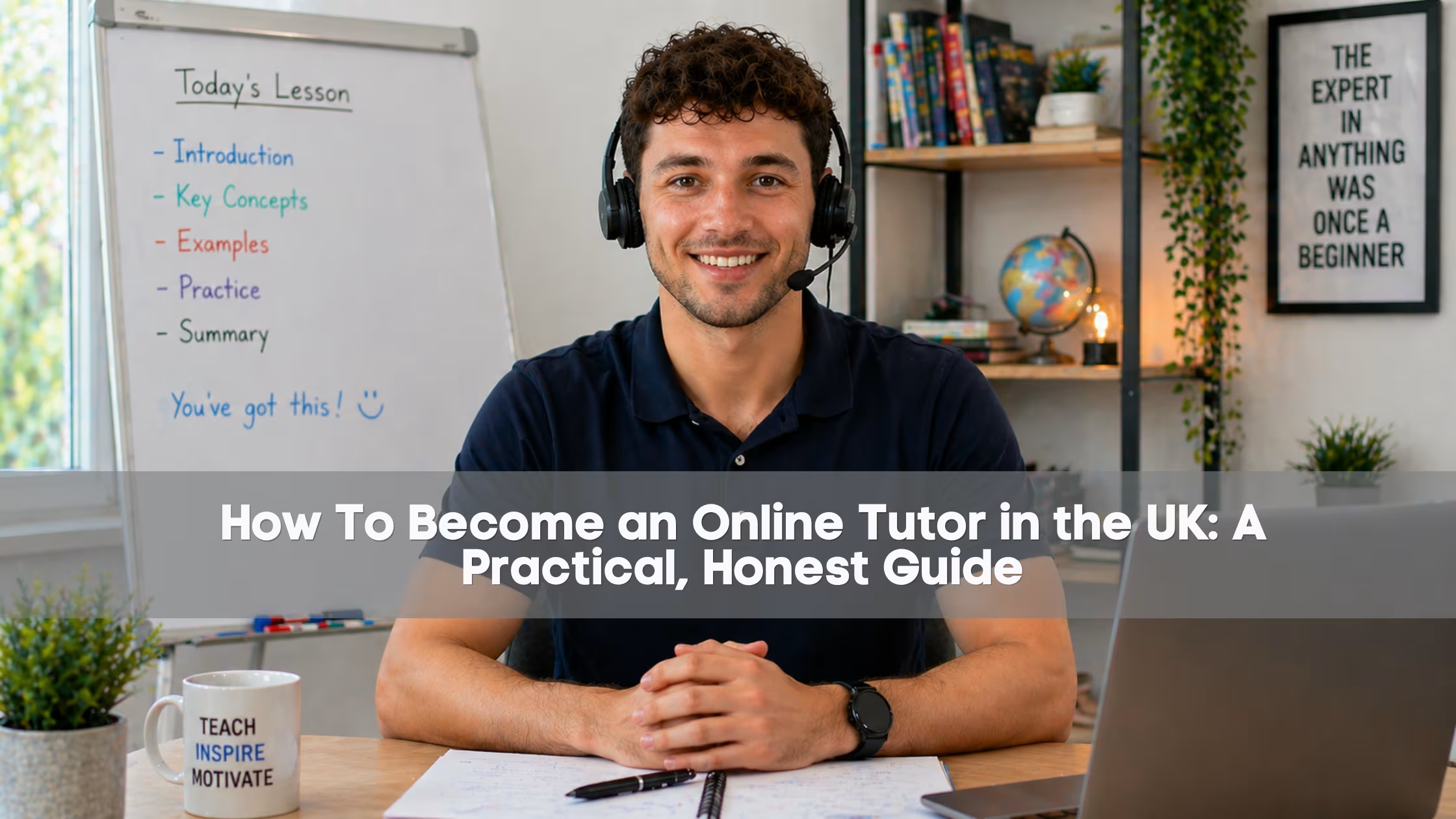
You do not need expensive equipment to begin. A reliable internet connection, a laptop with a working camera and microphone, and a quiet background are enough. Over time, small additions like a headset or a ring light make a noticeable difference to session quality.
Step 3: Get Your DBS Check
If you plan to work with anyone under 18, get an enhanced DBS check before you start. Most platforms require one anyway. For independent tutors, it is a straightforward process through the DBS Update Service or The Tutors’ Association.
Step 4: Register as Self-Employed with HMRC
All tutoring income must be declared. Register as self-employed through the HMRC website, set up a Government Gateway account, and keep a simple record of your earnings and expenses from day one. It takes less time than most people expect.
Step 5: Set Your Rates
Research what other tutors in your subject and level are charging. Entry level tutors typically charge between £15 and £25 per hour. More experienced tutors or those covering advanced subjects can charge £40 or more. Start competitively and raise your rates as your reputation grows.
Step 6: Create Your Tutor Profile and Find Students
Whether you join a platform or go independent, your profile matters. Be clear about your subject, your experience, and who you teach best. A short, honest description will always outperform a vague one. Word of mouth, tutoring platforms, and a simple social media presence are the most reliable routes to your first students.
How Much Can You Earn as an Online Tutor?
Rates vary depending on your subject, experience, and the level you teach. Most new tutors in the UK start between £15 and £25 per hour. At GCSE level, £25 to £40 is common. Specialist or advanced subjects, particularly at A-Level or professional level, can comfortably reach £50 or more per hour.
If you tutor through a platform, keep in mind that most take a commission of around 20 to 30 percent. Going independent means you keep everything you earn, but finding students takes more effort in the early stages.
Building a full income from tutoring takes time. Most tutors spend the first few months establishing three to five regular students. A steady, reliable income typically starts to feel consistent somewhere between three and six months in.
Should You Join a Tutoring Platform or Go Independent?
Both routes work. Tutoring platforms like Tutorful, MyTutor, and Superprof are the fastest way to find your first students. They handle payment, provide a virtual classroom, and bring students to you. The trade-off is commission on every session and less control over how you work.
Going independent means finding your own students through word of mouth, social media, or your own website. You keep everything you earn and set your own terms. It takes longer to get started but tends to build stronger, longer-term relationships with students.
Many tutors do both. A platform to get started, and a growing independent client base alongside it. There is no single right answer, it depends on how much time you want to spend on the business side versus the teaching side.
What to Expect in Your First Few Months
The first few sessions will probably feel more effortful than you expect. That is completely normal. Most new tutors spend the early weeks figuring out their rhythm, how to structure an hour, how to read a student’s pace, and how to explain something three different ways when the first two don’t land.
Student enquiries are usually slow at the start. The first month can feel quiet, and it is easy to wonder whether it is working. It is. Building a reputation takes a little time, and the tutors who stick with it past that early uncertain period are the ones who end up with a full, consistent client base.
The small wins come quickly once you settle in. A student who finally understands something they have been stuck on for weeks. A parent who messages to say their child is more confident. Over time, those moments become the reason most tutors keep going long after the initial novelty wears off.
Final Thoughts
Becoming an online tutor in the UK is genuinely accessible. You do not need a teaching degree, an expensive setup, or years of classroom experience. What you need is real knowledge, a willingness to share it clearly, and the patience to build something steadily.
The practical steps are straightforward once you break them down. Register with HMRC, get your DBS check if you are working with under-18s, set up your profile, and start. The uncertainty at the beginning is normal and it passes faster than most people expect.
Whether you are a student looking for flexible income, a professional with specialist knowledge, or someone ready for a complete career change, tutoring online is one of the more honest and rewarding ways to turn what you know into something genuinely useful for someone else.
Frequently Asked Questions
Do you need a teaching qualification to become an online tutor in the UK?
No. There is no legal requirement to hold a PGCE, QTS, or any teaching qualification to tutor privately. Subject knowledge and the ability to explain it clearly are what matter most.
Do you need a DBS check to tutor online?
Not always. Most platforms require an enhanced DBS check for tutors working with under-18s. If you tutor independently, it is not legally required but is strongly recommended good practice when working with children.
Do you have to register with HMRC as an online tutor?
Yes. All tutoring income must be declared to HMRC from your first session. Register as self-employed through the HMRC website and file a self-assessment return each year.
Can you become an online tutor without a degree?
Yes. No law requires a degree. Some platforms ask for one in your subject area, but it is a platform requirement, not a legal one.
How much do online tutors earn in the UK?
Most new tutors charge between £15 and £25 per hour. Experienced tutors at GCSE level typically earn £25 to £40, and specialist or advanced subjects can reach £50 or more per hour.
How do online tutors find students?
The most common routes are tutoring platforms, word of mouth, and social media. Platforms are the fastest way to find first students. Word of mouth tends to build the most reliable long-term client base.
How long does it take to build a tutoring client base?
Most tutors establish a small, consistent group of students within three to six months. A full and reliable income typically takes a little longer to build, depending on subject demand and how actively you market yourself.
Is online tutoring regulated in the UK?
No. Private tutoring is an unregulated profession. No licence or registration is required. The Tutors’ Association offers voluntary professional membership and a code of practice, but neither is mandatory.
Can I tutor my professional specialism even though I am not a teacher?
Yes. Healthcare workers, social care professionals, and other specialists tutor their fields regularly. Your practical experience is genuinely valuable. Just be clear that tutoring your specialism is different from delivering regulated or accredited training.
What equipment do I need to start tutoring online?
A reliable internet connection, a laptop with a working camera and microphone, and a quiet background are enough to begin. A headset and ring light are useful additions over time but are not essential from day one.